15 de noviembre de 2026
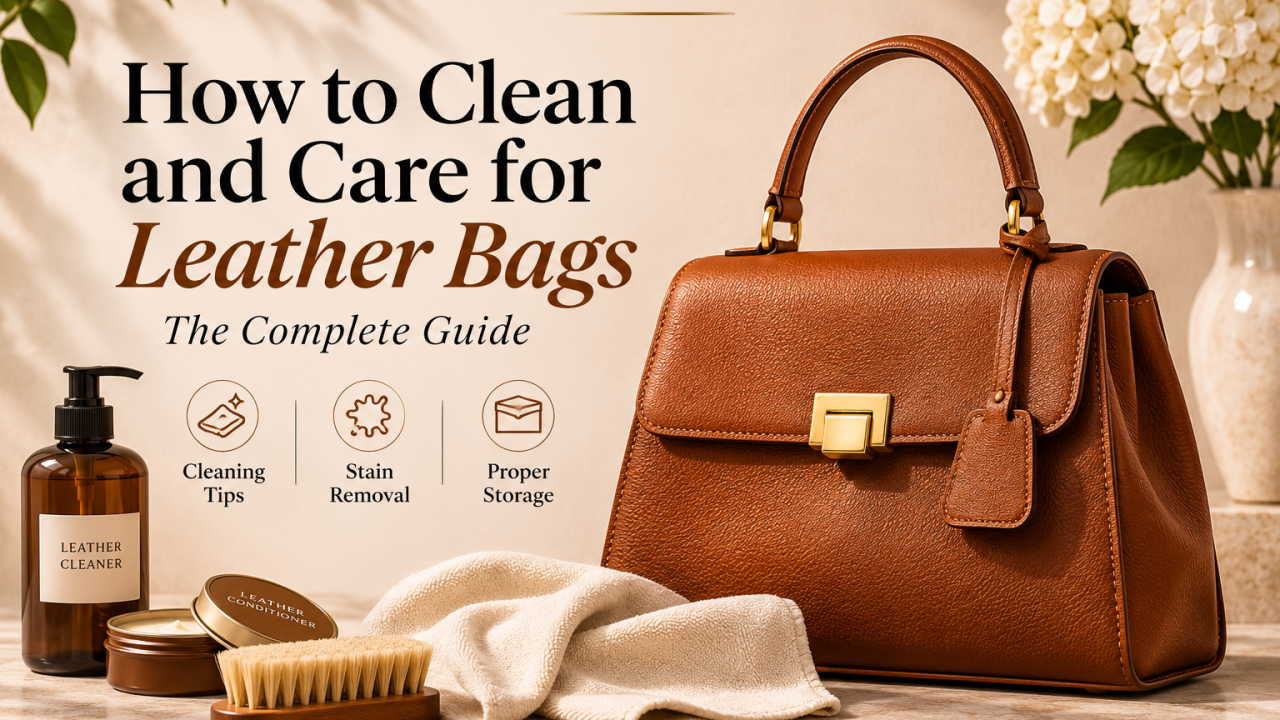
How to Clean and Care for Leather Bags: The Complete Guide
A quality leather bag is more than an everyday accessory. It is an investment in craftsmanship, personal style and functionality. Whether you carry a leather shoulder bag to work, a structured handbag to an event or a versatile bag for everyday activities, proper care can help preserve its appearance and condition over time.
However, leather is a natural material, and it requires a little attention to maintain its texture, finish and overall character. Dust, moisture, everyday handling and accidental spills can all affect its appearance if they are not addressed appropriately.
The good news is that caring for a leather bag does not have to be complicated. With the right cleaning methods, suitable care products and proper storage habits, you can help keep your favourite handbag looking its best.
In this guide, we will explain how to clean leather bags, remove common stains safely, care for different leather types and store leather handbags properly.
Why Proper Leather Bag Care Matters
Leather naturally responds to its surroundings. Regular use, exposure to sunlight, moisture, dust and friction can gradually change its appearance.
Without appropriate care, leather may become dry, develop marks or lose some of its original finish. Handles and corners can also experience more wear because they come into contact with hands, surfaces and other objects frequently.
Proper leather care helps you:
- Maintain the appearance and texture of the leather.
- Reduce the accumulation of dirt and surface dust.
- Minimise avoidable scratches and stains.
- Preserve the bag's shape and structure.
- Support the longevity of the material and construction.
Different leather finishes have different care requirements, so it is important to understand what your bag is made from before applying any cleaning product.
How to Clean Leather Bags at Home
Learning how to clean leather bags properly starts with understanding that leather should not be treated like ordinary fabric. Excessive water, harsh chemicals and unsuitable cleaning products can damage certain finishes.
For most finished leather handbags, a gentle cleaning routine is a sensible starting point.
Step 1: Empty Your Bag
Before cleaning, remove all personal belongings, including your wallet, phone, keys and other accessories.
Open the compartments and gently remove loose dust or debris from the interior. You can use a soft, dry cloth or a clean, soft brush to reach corners and seams.
Avoid using sharp objects that could scratch the lining or leather.
Step 2: Remove Surface Dust
Use a clean, soft and dry microfiber cloth to gently wipe the exterior.
Pay attention to areas that are handled frequently, such as handles, straps, corners and the front panel.
Use light movements rather than applying excessive pressure. This helps remove loose dirt without unnecessarily rubbing the surface.
Step 3: Use a Suitable Leather Cleaner
If the bag requires deeper cleaning, choose a leather cleaner specifically formulated for its leather type and finish.
Before applying it to the entire bag:
- Read the product instructions carefully.
- Test the cleaner on a small, discreet area.
- Check for changes in colour, texture or finish.
- Proceed only if the material responds appropriately.
Apply the cleaner using a soft cloth as directed by the manufacturer. Avoid saturating the leather or applying excessive product.
Not every leather bag requires a commercial cleaner. For light surface dust, a dry cloth may be sufficient.
Step 4: Allow the Bag to Dry Naturally
After cleaning, allow the handbag to dry naturally in a well-ventilated area.
Keep it away from direct sunlight, radiators, hair dryers and other sources of intense heat. Rapid drying can cause certain leather finishes to become dry, stiff or damaged.
Once the bag is completely dry, follow the manufacturer's recommendations for any additional conditioning or protection.
How to Remove Stains from Leather Bags
Accidental stains are one of the most common concerns for leather handbag owners. A small spill or mark can become difficult to manage if the wrong cleaning method is used.
The best approach depends on the type of stain and the leather finish.
1. How to Deal with Water Marks
Water marks can appear when moisture dries unevenly on certain leather surfaces.
If your bag gets wet:
- Gently blot excess moisture with a clean, absorbent cloth.
- Avoid rubbing the affected area.
- Allow the leather to dry naturally.
- Keep the bag away from direct heat and sunlight.
Do not aggressively wet the entire surface to try to remove a water mark. This can make the problem worse, particularly on leather that is sensitive to moisture.
2. How to Handle Oil and Grease Stains
Oil and grease can be particularly challenging because they may penetrate the leather surface.
If you notice an oily mark, gently blot any excess residue without spreading it. Avoid rubbing, scrubbing or applying household cleaning chemicals.
Some leather finishes may absorb oils permanently or develop a darker patch. If the stain remains visible, consult a leather-care specialist rather than experimenting with multiple cleaning products.
3. How to Remove Ink Marks
Ink stains can be difficult to remove, especially from light-coloured leather.
Avoid using alcohol, nail polish remover, bleach or strong solvents. These products may strip colour, damage the finish or spread the stain.
For noticeable ink marks, professional leather cleaning is generally the safer option.
4. General Stain-Removal Advice
Before attempting to remove any stain, consider the following:
- Identify the leather type and finish.
- Check the manufacturer's care instructions.
- Avoid aggressive rubbing or scrubbing.
- Never mix different cleaning products.
- Test suitable products on an inconspicuous area.
- Seek professional help for stubborn or valuable-bag stains.
A cautious approach is often better than trying several cleaning methods in quick succession.
How to Care for a Leather Handbag
Cleaning removes dirt and surface marks, but regular maintenance also matters.
If you want your leather handbag to retain its appearance over time, develop a few simple habits.
1. Keep Leather Away from Excessive Moisture
Although some leather finishes offer a degree of moisture resistance, leather should not be assumed to be waterproof.
Avoid leaving your handbag in heavy rain or damp environments for extended periods.
If it becomes wet, gently blot the moisture with a soft cloth and let it dry naturally. Never use direct heat to speed up the process.
2. Protect It from Prolonged Sun Exposure
Extended exposure to direct sunlight can affect leather colour and finish. Certain materials may fade, dry out or experience changes in texture.
When you are not using your handbag, store it in a cool, dry place away from direct sunlight.
3. Avoid Scratches and Excessive Friction
Keys, metal accessories and rough surfaces can scratch leather.
Try to keep sharp objects in separate compartments and avoid placing your handbag on abrasive surfaces.
Be particularly careful with corners, handles and areas that come into regular contact with clothing or furniture.
4. Condition Leather Only When Appropriate
Leather conditioners can help maintain certain types of leather by replenishing moisture and supporting flexibility.
However, not every leather handbag needs the same conditioner or treatment.
Some coated, pigmented, suede and specialty finishes may require different care. Using an unsuitable product can change the appearance or texture.
Always follow the manufacturer's recommendations and test any conditioner on a discreet area first.
How to Store Leather Handbags Properly
Knowing how to store leather handbags is just as important as knowing how to clean them.
Improper storage can cause unnecessary creasing, loss of shape, colour transfer and exposure to moisture or dust.
Here are some practical storage habits.
1. Use a Dust Bag
When your handbag is not in use, place it inside a breathable dust bag if one is provided.
A dust bag helps protect the surface from dust, scratches and unnecessary contact with other belongings.
Avoid storing leather in airtight plastic bags for extended periods, particularly in humid environments.
2. Maintain the Bag's Shape
If your handbag has a structured design, gently fill it with clean, acid-free tissue paper or another suitable, non-abrasive stuffing material.
This can help support its shape and reduce unwanted creasing.
Avoid overstuffing, as excessive pressure may stretch the leather or affect the bag's structure.
3. Store Bags Upright Where Possible
Structured handbags are generally best stored upright on a clean, stable surface.
Avoid stacking heavy items on top of them, as this can create pressure marks or distort their shape.
If the bag has detachable straps, store them carefully to prevent unnecessary pressure or scratches on the exterior.
4. Choose a Cool and Dry Storage Environment
Leather should be stored away from excessive humidity, moisture and prolonged heat.
Make sure the storage area has suitable ventilation and is free from dampness.
If you live in a humid environment, check your handbags periodically for signs of moisture damage or mould. Avoid placing moisture-absorbing products directly against the leather unless the manufacturer specifically recommends them.
5. Give Your Handbags Space
Avoid overcrowding handbags in a cupboard or wardrobe.
When bags are pressed against each other, hardware can scratch neighbouring surfaces, while leather may develop unwanted creases.
Giving each handbag enough space helps preserve its shape and finish.
Does Leather Type Affect How You Should Clean Your Bag?
Yes. Different leather types and finishes can respond differently to cleaning products, moisture and conditioning treatments.
Understanding the material is therefore an important part of proper leather handbag care.
Full-Grain Leather
Full-grain leather retains its original grain surface and is often appreciated for its natural texture and distinctive character.
Depending on its finish, it may develop a patina over time. This gradual change in colour and appearance is one reason some people value naturally finished full-grain leather.
For everyday maintenance, use a soft, dry cloth to remove surface dust and follow the manufacturer's care recommendations for cleaning and conditioning.
Learn more about the difference between full-grain and top-grain leather to understand how these materials differ in appearance and finishing.
Top-Grain Leather
Top-grain leather generally undergoes surface correction or finishing to create a more consistent appearance.
Its care requirements depend on the particular finish. Some top-grain leather products have protective coatings, while others may be more sensitive to certain cleaners or conditioners.
Always use products suitable for the specific finish rather than assuming that every top-grain leather bag requires the same treatment.
Suede Leather
Suede has a soft, napped surface that requires more specialised care than many smooth leather finishes.
Avoid using ordinary leather creams or conditioners unless they are specifically formulated for suede.
A suitable suede brush and specialised cleaning products may be appropriate, depending on the manufacturer's instructions.
Coated and Special-Finish Leather
Some handbags have protective coatings, metallic finishes, embossed textures or other surface treatments.
These finishes can react differently to cleaning products and friction.
For such bags, follow the manufacturer's care instructions rather than applying a general leather-cleaning routine.
Common Leather Bag Care Mistakes to Avoid
Even with good intentions, certain habits can damage leather over time.
Here are some common mistakes worth avoiding:
1. Using Harsh Household Cleaners
Bleach, alcohol, ammonia-based cleaners and strong detergents may damage leather colour and surface finishes.
2. Applying Too Much Water
Leather is not ordinary washable fabric. Excessive moisture can cause staining, stiffness or other surface changes.
3. Drying Leather with Direct Heat
Hair dryers, heaters and radiators can cause certain leather finishes to dry unevenly or become damaged.
4. Using the Wrong Conditioner
A product suitable for one type of leather may not be suitable for another. Always check compatibility.
5. Storing Bags Without Support
Leaving a structured handbag empty or placing heavy objects on top of it can contribute to creasing and loss of shape.
6. Ignoring Small Marks
Address surface dirt and spills appropriately rather than allowing them to accumulate. However, do not experiment with aggressive treatments when a stain requires professional attention.
7. Overlooking the Handles and Corners
These areas often experience frequent contact and friction. Include them in your regular visual checks and gentle cleaning routine.
Frequently Asked Questions About Leather Bag Care
1. How often should I clean my leather bag?
There is no universal cleaning schedule. For regular use, gently wipe away surface dust whenever necessary and clean more thoroughly only when the bag requires it. Frequent use of cleaning products can be unnecessary and may affect certain finishes.
2. Can I clean a leather bag with water?
A slightly damp cloth may be suitable for certain finished leathers, but not all leather types respond well to moisture. Check the manufacturer's instructions first, avoid soaking the material and never assume that water is safe for suede or unfinished leather.
3. Can I use regular soap to clean leather bags?
Ordinary household soaps and detergents may contain ingredients that affect leather's colour or finish. It is generally better to use a cleaner specifically formulated for the leather type, following its instructions.
4. How do I remove scratches from a leather handbag?
Light surface marks may sometimes be reduced using products suitable for the specific leather finish. However, deeper scratches, colour loss and damaged coatings may require professional restoration. Avoid rubbing the area aggressively.
5. How should I store leather handbags when not in use?
Clean away surface dust, allow the bag to dry completely and store it in a breathable dust bag in a cool, dry place. Gently support its shape with suitable stuffing and avoid stacking other items on top.
6. Does leather need conditioning?
Some leather types benefit from occasional conditioning, but the frequency and product depend on the material and finish. Always follow the manufacturer's recommendations rather than applying conditioner automatically.
7. Can leather handbags get damaged by sunlight?
Yes. Prolonged exposure to direct sunlight can cause certain leather finishes to fade, dry out or change colour. Store your handbag away from direct sunlight when it is not in use.
8. How can I make my leather handbag last longer?
Use it thoughtfully, avoid overloading it, keep it away from excessive moisture and direct heat, clean surface dirt gently and store it properly. Following care instructions suited to its specific leather finish can also help maintain its condition.
Final Thoughts: Give Your Leather Handbag the Care It Deserves
A leather handbag is designed to be used, enjoyed and incorporated into everyday life. With the right care habits, you can help preserve its appearance, maintain its structure and enjoy its character over time.
The most important thing is to understand the material you own. Different leather types and finishes require different cleaning and maintenance methods, so avoid relying on universal home remedies or unsuitable products.
From gentle surface cleaning and careful stain management to proper storage and occasional maintenance, small steps can make a meaningful difference.
At LEÓN BIANCA, we appreciate the character of thoughtfully designed leather handbags and the details that make them part of a personal wardrobe. Whether you prefer the versatility of leather shoulder bags or the structured elegance of leather top-handle bags, choosing a design that suits your lifestyle and caring for it properly can make it a valued part of your collection for years to come.